How Dr Duncan’s death changed life for LGBTIQ+ South Australians
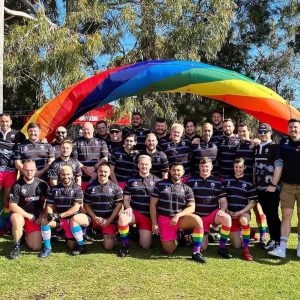
Will Sergeant (pictured) is a historian and writer based in Adelaide. You might’ve come across his alter-ego, Dr Gertrude Glossip, at various events across the city.
“I’ve been described as an unreconstructed 1970s gay liberationist, and it is a label I wear as a badge of honour. We were about exploring different ways of living and loving, you know, not the paradigm of the time, which was basically heterosexual monogamous couples.”
After some time ‘desperately’ trying to live a heterosexual life, Will had the realisation that it would be best to accept his nature and come out as gay in early 1972.
“But I absolutely had no idea how to do that. So I came out to family, friends and even work colleagues thinking someone might know someone or be able to tell me where to go,” he said.
“I had heard that men did meet down by the [River] Torrens. So I thought, well, perhaps this is what I need to do.”
This year marks not only 50 years of Will coming out as gay but also the 50 year anniversary of Dr George Duncan’s murder. Will spoke about Dr Duncan.
“He was 41, kind of patrician. He was well-educated also. He was a high church Anglican, a devout Christian. So, as I say, by any standards, he would be considered a pillar of society. One flaw, he was homosexual.”
Dr Duncan had only been in Adelaide six weeks when he went down to the River Torrens to meet someone on 10 May 1972. He was thrown into the river with two others.
“One escaped very badly bruised and damp and the other one with a broken ankle, but Duncan drowned.”
Even after a coroner’s inquest, New Scotland Yard detectives being flown in, and a report was released in 2002, the assailants still haven’t been brought to justice.
Will says much of the parliamentary support that led to socially progressive law reform under SA Premier Don Dunstan (from 1972-1979) came as a result of Dr Duncan’s murder. He called the decriminalisation of homosexual acts under South Australia law a watershed moment.
“That idea of illegality and criminality hanging over gay men – it was still there, hanging over your head. There was certainly police harassment and entrapment. Having that taken out of the picture for people in Adelaide at the time was important.”
Listen to the full interview with Will on Well Well Well here.